
In a gaming landscape often dominated by competitive shooters and high-stakes battle royales, a quieter revolution is taking place. Cozy cooperative games—titles like Stardew Valley's multiplayer mode, It Takes Two, A Little to the Left, and Unpacking—are carving out a unique space in the industry, one where the primary goal isn't victory over opponents but connection with companions. These gentle gaming experiences are proving to be powerful tools for fostering meaningful relationships, reducing social anxiety, and creating comfortable spaces for authentic human connection.
The rise of cozy co-op represents more than just a gaming trend; it's a response to a fundamental human need for low-pressure social interaction in an increasingly isolated world. As mental health professionals and gaming therapists are discovering, these games offer something that traditional competitive gaming often cannot: a shared experience that prioritizes collaboration, communication, and emotional safety over skill-based dominance.
The Psychology of Gentle Gaming
Dr. Rachel Martinez, a licensed therapist specializing in gaming and social anxiety, has observed a remarkable shift in how her clients engage with multiplayer experiences. "What we're seeing with cozy co-op games is fundamentally different from traditional multiplayer gaming," she explains. "These games remove the performance anxiety that can make social gaming stressful. There's no fear of letting your team down, no pressure to maintain a certain skill level, and no competitive hierarchy to navigate."
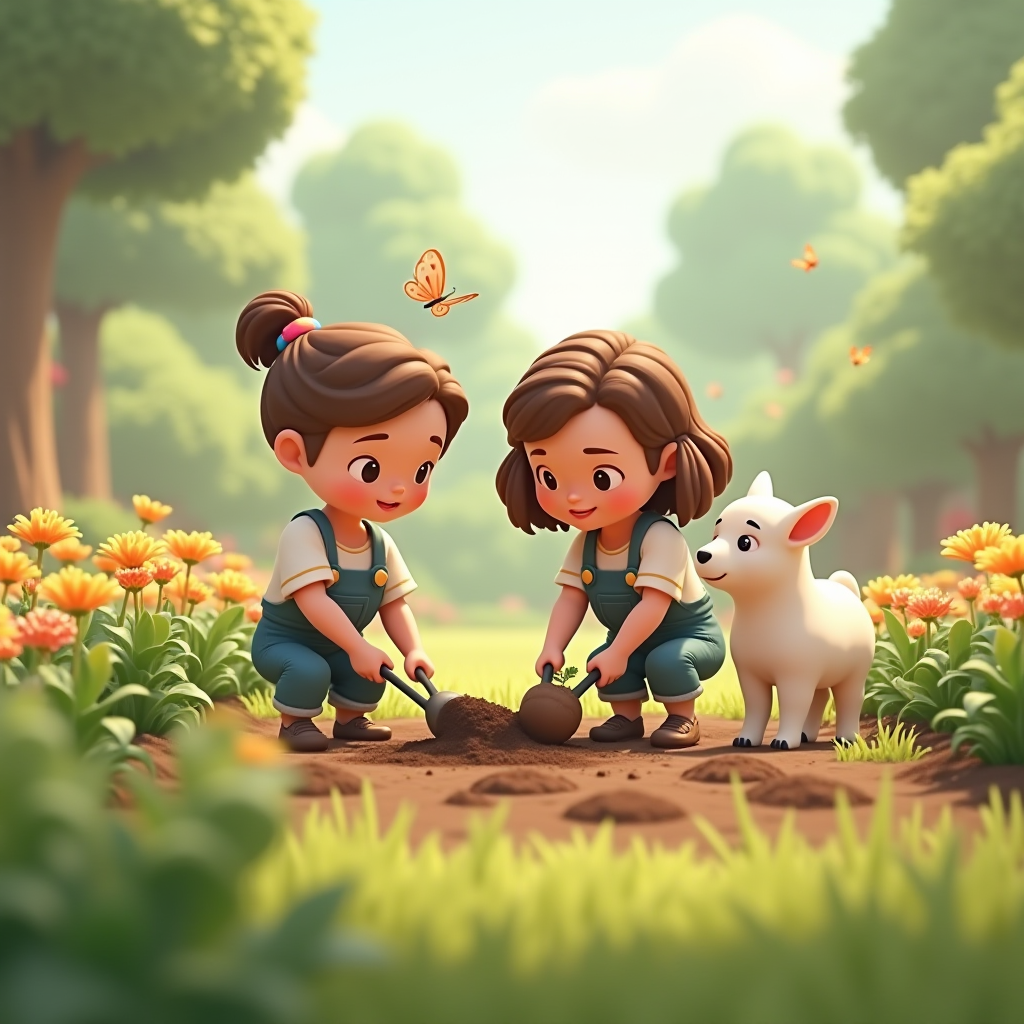
This psychological safety creates an environment where players can focus on the social aspects of gaming rather than the mechanical ones. In Stardew Valley's multiplayer mode, for instance, players work together to build a thriving farm, but there's no timer, no failure state, and no wrong way to play. This freedom allows conversations to flow naturally, much like they would during any other shared activity like cooking together or taking a walk.
The impact on social anxiety is particularly noteworthy. Traditional social situations often require constant attention to social cues, body language, and conversational timing—all of which can be overwhelming for individuals with social anxiety. Cozy co-op games provide a structured activity that gives anxious individuals something to focus on besides the social interaction itself, paradoxically making genuine connection easier to achieve.
The Parallel Play Phenomenon
Gaming therapist James Chen draws parallels between cozy co-op gaming and the concept of "parallel play" observed in child development. "When young children play alongside each other, they're not necessarily interacting directly, but they're sharing space and experience," he notes. "Cozy co-op games recreate this dynamic for adults, allowing people to be together without the pressure of constant direct engagement."
This parallel play dynamic is especially evident in games like A Little to the Left, where players work together to organize household items in satisfying ways. The gameplay is meditative and low-stakes, creating a calm backdrop for conversation that can ebb and flow naturally. Players report that some of their most meaningful conversations have happened during these quiet gaming sessions, where the lack of pressure allows for authentic vulnerability.
Playing Stardew Valley with my long-distance best friend has become our weekly therapy session. We talk about everything while we're fishing or planting crops. The game gives us something to do together, but it's really just an excuse to connect. I've shared things during those sessions that I've never told anyone else.
Building Bridges Across Distance
The COVID-19 pandemic accelerated the adoption of online gaming as a social tool, but cozy co-op games have proven particularly effective at maintaining long-distance relationships. Unlike competitive games that can create tension or require significant time commitments, gentle cooperative experiences offer a low-pressure way to spend time together regardless of physical distance.

Marcus and Elena, a couple separated by a cross-country move for work, credit It Takes Two with helping them maintain their relationship during a difficult year apart. "We'd tried other games, but they either felt too competitive or required too much focus," Marcus explains. "It Takes Two was perfect because it required us to communicate and work together, but it was also just fun and beautiful. We'd play for hours, and it felt like we were actually doing something together, not just talking on the phone."
The game's design, which requires constant cooperation and communication between two players, creates natural opportunities for teamwork and shared problem-solving. These collaborative challenges mirror the kind of partnership required in real relationships, making the gaming experience feel meaningful beyond the virtual world.
The Long-Distance Gaming Toolkit
Relationship counselor Dr. Patricia Wong has begun recommending cozy co-op games to couples and friends dealing with geographic separation. "These games provide structure and routine, which are crucial for maintaining long-distance relationships," she explains. "Having a regular gaming session gives people something to look forward to and creates shared experiences that can be referenced later."
Popular Cozy Co-op Games for Connection
- Stardew Valley: Farm together, build relationships with villagers, and create a thriving agricultural community at your own pace
- It Takes Two: Navigate a fantastical world as a couple working through relationship challenges, with puzzles designed for two players
- A Little to the Left: Organize household items in satisfying ways, perfect for meditative co-play and casual conversation
- Unpacking: Unpack boxes and arrange belongings in new homes, telling a story through objects and placement
- Spiritfarer: Manage a boat for spirits, helping them find peace before moving on, with beautiful art and emotional storytelling
- Overcooked! 2: Work together in chaotic kitchens, requiring communication and teamwork in a lighthearted setting
Facilitating Difficult Conversations
One of the most surprising benefits of cozy co-op gaming is its ability to facilitate difficult conversations. The shared activity provides a natural buffer that can make challenging topics easier to approach. Gaming therapists have observed that clients often find it easier to discuss sensitive subjects while engaged in a cooperative game, as the activity reduces the intensity of direct eye contact and provides natural pauses in conversation.

Jennifer, a 34-year-old teacher, used Stardew Valley as a way to reconnect with her teenage daughter during a particularly difficult period. "We were barely speaking, and every conversation felt like a confrontation," she recalls. "I suggested we try playing together, and something about having the game as a buffer made it easier for both of us to open up. We'd be talking about which crops to plant, and suddenly we'd be talking about what was really bothering her at school."
This phenomenon isn't limited to parent-child relationships. Friends navigating conflicts, couples working through relationship issues, and even support groups for various mental health challenges have found that cozy co-op games create a safe space for vulnerability and honest communication.
The Therapeutic Application
Some therapists have begun incorporating cozy co-op games directly into their practice. Dr. Martinez describes using games like Unpacking in sessions with clients struggling with life transitions. "The game is about moving to new places and making them feel like home," she explains. "It's a perfect metaphor for the work we do in therapy around change and adaptation. Playing it together gives us a shared language to discuss these concepts."
The non-threatening nature of these games also makes them ideal for working with clients who might be resistant to traditional talk therapy. The activity provides a sense of purpose and accomplishment while creating opportunities for therapeutic conversation to emerge organically.
The Social Architecture of Cozy Games
What makes cozy co-op games so effective at fostering connection? Game designers and researchers point to several key elements that distinguish these titles from other multiplayer experiences. Understanding these design principles helps explain why these games succeed where others might create stress or conflict.
First and foremost is the absence of failure states. In most cozy co-op games, there's no way to "lose" in a traditional sense. This removes the performance anxiety that can make competitive gaming stressful and allows players to focus on the experience rather than the outcome. When there's no pressure to succeed, players can relax and be present with their gaming partners.

Flexible Pacing and Player Agency
Another crucial element is flexible pacing. Cozy co-op games typically allow players to progress at their own speed, taking breaks when needed and returning without penalty. This flexibility accommodates different play styles, energy levels, and time commitments, making these games accessible to a wider range of players and life situations.
Game designer Maria Santos, who worked on several popular cozy titles, emphasizes the importance of player agency. "We design these games to give players choices without consequences," she explains. "Want to spend an hour just decorating your farm? Go ahead. Want to focus on fishing instead of farming? That's fine too. This freedom allows players to express themselves and engage with the game in ways that feel authentic to them."
Aesthetic and Emotional Design
The visual and audio design of cozy co-op games also plays a significant role in their effectiveness as social tools. Soft color palettes, gentle music, and charming art styles create an atmosphere of safety and comfort. These aesthetic choices aren't merely decorative—they actively contribute to the emotional experience of playing together.
Research in environmental psychology suggests that our surroundings significantly impact our emotional state and social behavior. The virtual environments created by cozy games function similarly to physical spaces designed for comfort and connection, like coffee shops or living rooms. They provide a backdrop that encourages relaxation and openness.
Breaking Down Barriers to Connection
For many players, cozy co-op games have become a gateway to social connection that might otherwise feel inaccessible. This is particularly true for individuals with social anxiety, autism spectrum disorders, or other conditions that can make traditional social interaction challenging.
Alex, a 26-year-old software developer with autism, describes how Stardew Valley helped him build and maintain friendships. "I struggle with unstructured social situations and small talk," he explains. "But when I'm playing with friends, the game provides structure. We have tasks to complete, goals to work toward, and natural conversation topics. It takes the pressure off and lets me just enjoy being with people."

The structured nature of these games provides a framework that can be especially helpful for neurodivergent individuals. Clear objectives, predictable mechanics, and the ability to pause or take breaks create an environment where social interaction can happen on terms that feel manageable and safe.
Intergenerational Gaming
Cozy co-op games have also proven effective at bridging generational gaps. Unlike many modern games that require quick reflexes or extensive gaming knowledge, titles like It Takes Two or Unpacking are accessible to players of all ages and skill levels. This accessibility has led to an increase in intergenerational gaming, with grandparents playing with grandchildren, parents connecting with adult children, and families finding new ways to spend time together.
Linda, a 67-year-old retiree, started playing Stardew Valley with her grandson during the pandemic. "I'd never played video games before, but he was so patient teaching me," she says. "Now we play every Sunday afternoon. It's become our special time together, and I love that we have this shared interest. I understand his world a little better, and he gets to know me in a different way."
These games have given me a way to stay connected with my college friends after we all moved to different cities. We can't meet up for coffee anymore, but we can spend an evening farming together in Stardew Valley. It's not the same as being in person, but it's something real and meaningful.
The Future of Social Gaming
As the gaming industry continues to evolve, the success of cozy co-op games is influencing broader trends in game design and social gaming. Developers are increasingly recognizing that not all players want high-stakes competition or intense action—many are seeking experiences that prioritize connection, creativity, and emotional well-being.
Industry analyst Rebecca Foster predicts continued growth in this sector. "We're seeing major publishers take notice of the cozy gaming movement," she notes. "What started as a niche category dominated by indie developers is now influencing mainstream game design. Even traditionally competitive franchises are adding cooperative modes and reducing barriers to entry."

Virtual Reality and Beyond
The emergence of more accessible virtual reality technology presents new opportunities for cozy co-op experiences. VR games like Garden of the Sea and Walkabout Mini Golf are already demonstrating how immersive technology can enhance the sense of presence and connection in cooperative gaming. As VR becomes more affordable and user-friendly, these experiences may become even more powerful tools for social connection.
However, experts caution that technology alone isn't the answer. "The success of cozy co-op games isn't about graphics or processing power," Dr. Martinez emphasizes. "It's about thoughtful design that prioritizes human connection over technical achievement. As we develop new gaming technologies, we need to keep that focus on what actually brings people together."
Creating Your Own Cozy Co-op Experience
For those interested in using cozy co-op games to strengthen relationships or build new connections, experts offer several recommendations. First, choose games that match the interests and comfort levels of all players. Don't force someone into a game they're not interested in—the goal is shared enjoyment, not completion.
Second, establish regular gaming sessions if possible. Consistency helps build routine and gives everyone something to look forward to. Whether it's a weekly date night or a monthly catch-up with distant friends, regular sessions create opportunities for ongoing connection.
Third, remember that the game is a tool, not the goal. If conversation flows naturally away from the game, let it. The gaming experience should serve the relationship, not the other way around. Some of the most meaningful moments may happen when you're barely playing at all.
Tips for Meaningful Cozy Co-op Sessions
- Choose games with flexible pacing that allow for natural conversation breaks
- Set aside dedicated time without other distractions or obligations
- Be patient with different skill levels and learning curves
- Focus on the experience together rather than game progression
- Use voice chat or video calls to enhance the sense of presence
- Don't be afraid to pause or take breaks when needed
- Celebrate small achievements and shared moments
- Let conversations flow naturally, even if they move away from the game
The Broader Implications
The rise of cozy co-op gaming reflects broader cultural shifts in how we think about connection, community, and well-being. In an era of increasing social isolation and digital overwhelm, these games offer a counterpoint—a way to use technology to bring people together rather than drive them apart.

Mental health professionals are increasingly recognizing the value of these experiences. Dr. Wong notes that cozy co-op gaming addresses several key factors in emotional well-being: social connection, shared purpose, creative expression, and stress reduction. "These aren't just games," she says. "They're tools for building and maintaining the kinds of relationships that are essential for mental health."
The success of cozy co-op games also challenges assumptions about what gaming should be. For decades, the industry has often prioritized competition, achievement, and technical mastery. The popularity of gentler, more collaborative experiences suggests that many players are seeking something different—not an escape from reality, but a space to connect with others in meaningful ways.
A New Definition of Gaming Success
Perhaps most importantly, cozy co-op games are helping to redefine what success in gaming looks like. Instead of measuring achievement through leaderboards, kill counts, or completion percentages, these games encourage players to value the quality of their social interactions, the depth of their creative expression, and the strength of their relationships.
This shift has implications beyond gaming. As we navigate an increasingly digital world, the lessons from cozy co-op gaming—prioritizing connection over competition, valuing process over outcome, creating spaces for vulnerability and authenticity—offer a model for how technology can support rather than undermine human relationships.
Conclusion: The Power of Playing Together
The gentle revolution of cozy co-op gaming represents more than a trend in game design—it's a recognition of fundamental human needs for connection, belonging, and shared experience. In a world that often feels fragmented and isolating, these games create spaces where people can come together without pressure, competition, or judgment.
Whether it's maintaining a long-distance friendship through weekly Stardew Valley sessions, using It Takes Two to strengthen a romantic relationship, or finding common ground with a family member through Unpacking, cozy co-op games are proving that meaningful connection can happen anywhere—even in virtual farms and fantastical worlds.
As we continue to navigate the challenges of modern life, the importance of these gentle gaming experiences will likely only grow. They remind us that technology, when designed with intention and care, can be a powerful tool for bringing people together. In the end, the most important achievement in any game isn't reaching the final level or earning all the trophies—it's the relationships we build and strengthen along the way.
The cozy co-op revolution isn't just changing how we play games; it's changing how we connect with each other. And in a world that desperately needs more authentic human connection, that might be the most important game-changer of all.