
When Emma logged into her favorite MMORPG five years ago, she never imagined that the random group of strangers she joined for a dungeon run would become her closest friends. Today, those same people stood beside her at her wedding, having traveled from three different continents to celebrate her special day. This isn't an isolated incident—it's a growing phenomenon that challenges our understanding of friendship in the digital age.
Gaming communities provide something unique: a shared purpose, regular interaction, and the kind of vulnerability that comes from facing challenges together. Whether it's coordinating a 40-person raid, strategizing in competitive matches, or simply exploring virtual worlds side by side, these experiences create bonds that rival—and often surpass—traditional friendships formed in physical spaces.
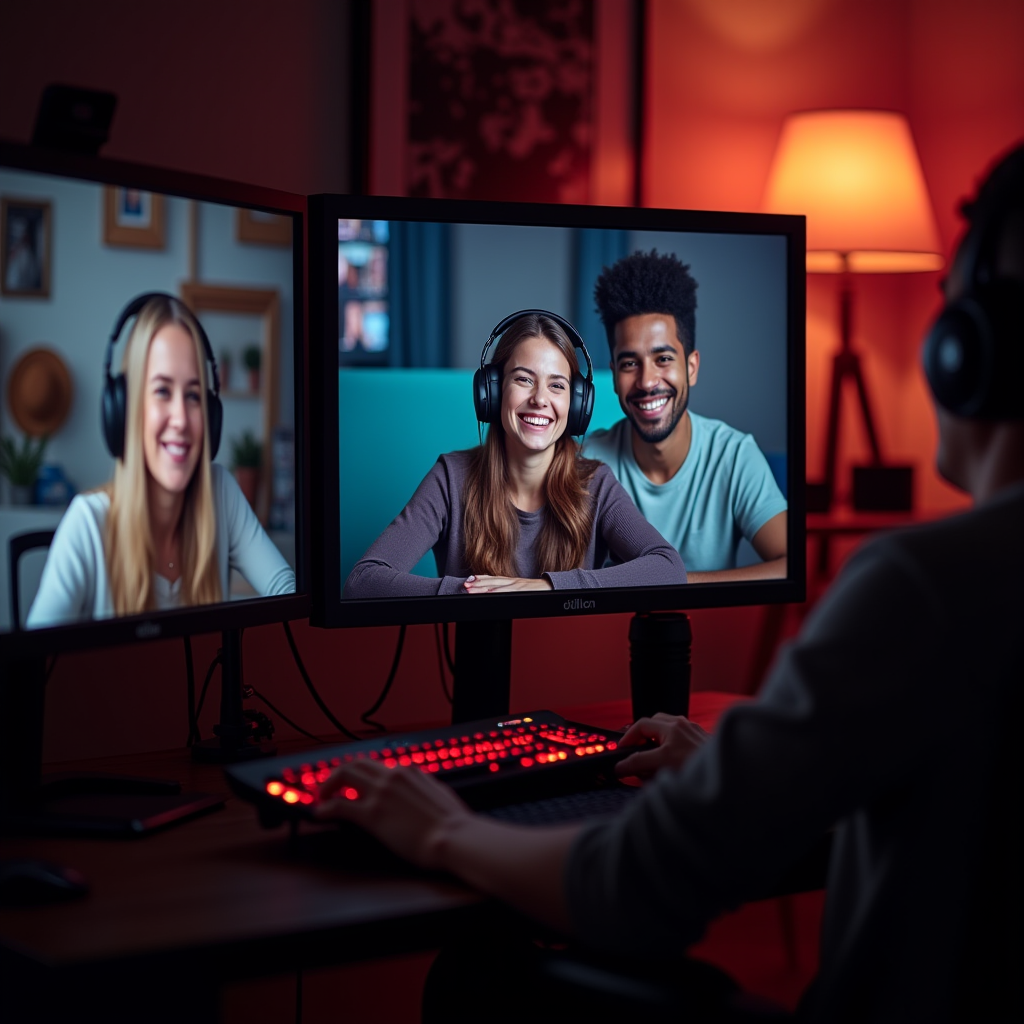
Five Stories That Define Virtual Friendship
Over the past six months, we've collected dozens of stories from gamers around the world about how their online communities became real-life support systems. Here are five accounts that exemplify the profound connections possible through gaming.
The Raid Team That Became Family
Marcus, a 34-year-old software engineer from Seattle, had been leading the same World of Warcraft raid team for seven years when his father passed away unexpectedly. "I didn't know how to tell them," he recalls. "These were people I'd never met in person, but we'd spent three nights a week together for years."
When Marcus finally shared the news, the response overwhelmed him. His guild organized a memorial service in-game, with over 100 players attending. But the support didn't stop there. His core raid team—people from Australia, Germany, Brazil, and across the United States—coordinated to send flowers to the funeral, contributed to a memorial fund, and took turns calling him daily for weeks.
"Two of them flew out for the funeral," Marcus says, his voice still filled with emotion. "They'd never been to Seattle. They barely knew my family. But they came because that's what friends do. The fact that we met in a video game doesn't make that friendship any less real."
Three years later, Marcus's raid team remains his primary social circle. They've attended each other's weddings, celebrated job promotions, and supported each other through divorces, illnesses, and career changes. They still raid together every week, but now they also have an active group chat, regular video calls, and an annual meetup that rotates between their home cities.
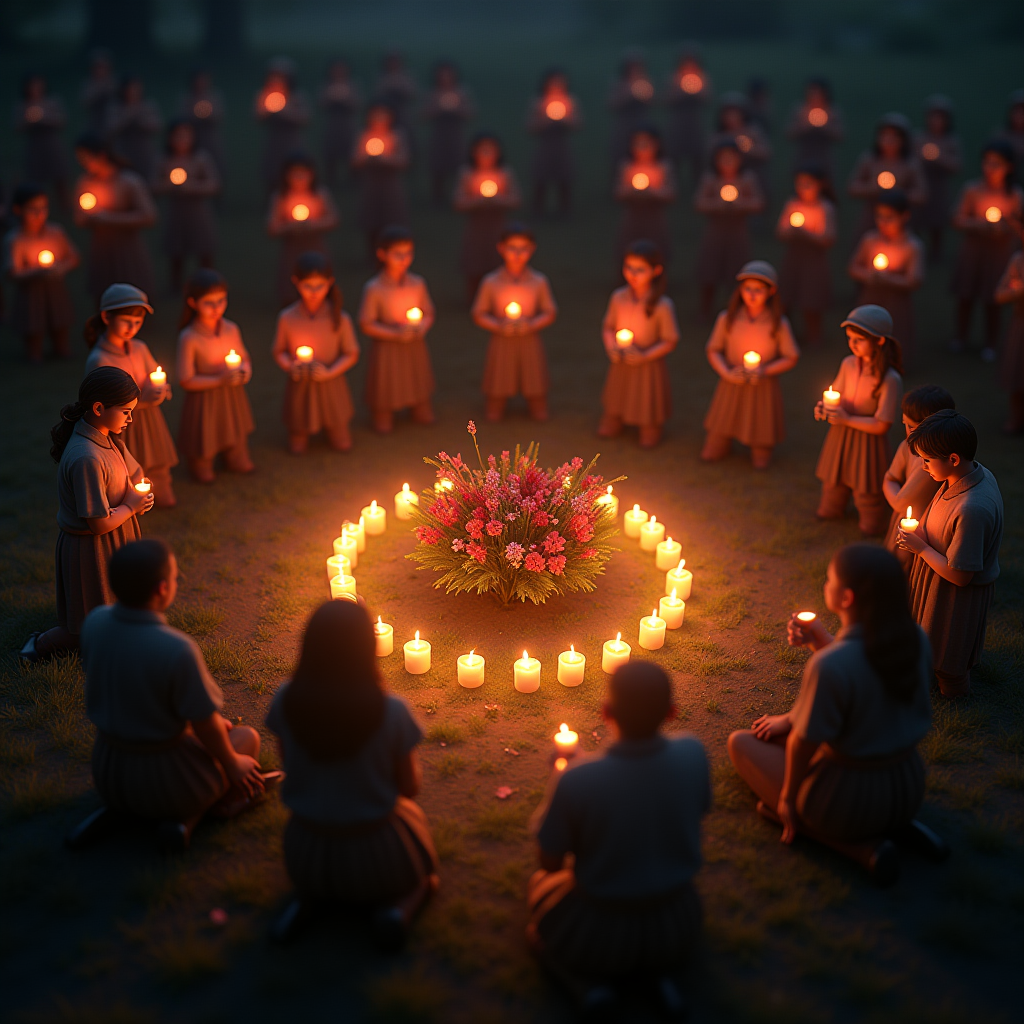
Competitive Gaming and Unconditional Support
The world of competitive gaming is often portrayed as cutthroat and toxic, but Jessica's experience with her Valorant team tells a different story. The five-person squad met through a Discord server two years ago, grinding through ranked matches with dreams of going semi-professional.
When Jessica was diagnosed with anxiety disorder that made competitive play increasingly difficult, she expected her teammates to replace her. Instead, they adjusted their entire approach. "They learned about my triggers, we developed hand signals for when I needed breaks, and they never once made me feel like I was holding them back," she explains.
The team's support extended beyond gaming. When Jessica's anxiety led to her dropping out of college, her teammates helped her find online courses, connected her with a therapist who specialized in gaming communities, and celebrated every small victory in her recovery journey. "They saw me at my worst—panic attacks mid-match, crying on voice chat—and they never judged me," Jessica says.
Today, Jessica is back in school and managing her anxiety effectively. Her team still plays together, though they've shifted focus from competitive rankings to simply enjoying the game. "We realized that the friendship was always more important than the rank," says Tyler, one of her teammates. "Jessica taught us that supporting each other matters more than any tournament win."
The beautiful thing about gaming friendships is that they're built on who you are, not what you look like or where you come from. We bonded over strategy, humor, and shared goals. By the time we met in person, we already knew each other's souls.
Across Continents, Through Grief
When 28-year-old Dmitri from Moscow lost his younger brother in a car accident, he found himself unable to talk to anyone in his physical life about his grief. "In Russian culture, men aren't supposed to show that kind of emotion," he explains. "But in my Destiny 2 clan, I could be vulnerable."
His clan, a group of 15 regular players from eight different countries, became his grief support group. They created a private Discord channel where Dmitri could talk about his brother at any hour. Clan members took turns staying up late or waking up early to match his time zone, ensuring he was never alone when the grief felt overwhelming.
Six months after the accident, Dmitri's clan organized something extraordinary: a real-life meetup in Prague, chosen because it was roughly equidistant from all their locations. Twelve of the fifteen members attended, some traveling for over 20 hours. "We spent three days together," Dmitri recalls. "We barely played any games. We just talked, laughed, cried, and finally, I felt like I could breathe again."
The clan created a memorial in-game for Dmitri's brother—a custom emblem that they all wear during their weekly raids. "Every time I see those emblems, I'm reminded that I have family all over the world," Dmitri says. "My brother would have loved knowing that a video game brought all these people together to support me."

The Psychology Behind Gaming Bonds
Dr. Rachel Kowert, a research psychologist specializing in online communities, explains that gaming friendships often develop faster and deeper than traditional friendships because of several unique factors. "When you're working together toward a common goal, especially under pressure, you develop trust quickly," she notes. "Add regular, consistent interaction—often multiple times per week—and you have the perfect recipe for strong social bonds."
The anonymity of online gaming can also be paradoxically beneficial for forming genuine connections. "People often feel more comfortable being their authentic selves when they're not being judged on physical appearance, socioeconomic status, or other surface-level factors," Dr. Kowert explains. "Gaming communities allow people to connect based on personality, humor, and shared interests—the foundations of lasting friendship."
Key Factors in Gaming Friendships
Shared Goals: Working together toward objectives creates natural bonding opportunities and mutual investment in success.
Regular Interaction: Consistent gaming schedules mean friends interact more frequently than many in-person relationships.
Vulnerability Through Challenge: Facing difficult content together requires trust and creates opportunities for emotional support.
Communication Skills: Gaming requires clear communication, which translates to stronger interpersonal connections.
Shared Identity: Being part of a guild, clan, or team creates a sense of belonging and community identity.
The Wedding Party That Started in a Battle Royale
Sarah and Mike's wedding photos look like any other modern ceremony—except that half the wedding party met for the first time the day before the wedding. The bride and groom's respective Apex Legends squads had become so integral to their lives that having them at the wedding was non-negotiable.
"People thought we were crazy," Sarah laughs. "But these were people who'd been there for us through job losses, family drama, and Mike's cancer scare. The fact that we'd never been in the same room didn't make them any less important to us."
The couple met through gaming themselves, matched randomly in a squad that clicked immediately. Their relationship developed over months of daily gaming sessions before they realized they lived only two hours apart. "We joke that Apex Legends was our matchmaker," Mike says. "But really, it was the community around the game that showed us what supportive relationships look like."
At their wedding, Sarah's maid of honor was her Apex teammate from Japan, who'd helped her through a difficult breakup years before she met Mike. Mike's best man was his squad leader from Canada, who'd talked him through anxiety attacks during his cancer treatment. "These people knew us at our worst and loved us anyway," Sarah explains. "That's what real friendship is."
The wedding itself featured gaming references throughout—from controller-shaped cookies to a cake topper featuring their main characters. But more importantly, it brought together two communities that had supported the couple through their individual journeys and celebrated their union with genuine joy.

Finding Home in a Guild
For Alex, a 42-year-old teacher who came out as transgender at age 40, their Final Fantasy XIV guild became a lifeline during one of the most challenging periods of their life. "I was losing friends I'd had for decades," Alex recalls. "My family wasn't speaking to me. But in my guild, I was just Alex—the healer who always had everyone's back."
The guild's acceptance went beyond tolerance. When Alex began hormone therapy, guild members researched transition processes to better understand what Alex was experiencing. They celebrated milestones, offered emotional support during difficult moments, and fiercely defended Alex against any transphobia in the game.
"One of my guild mates, who I'd never met in person, sent me a care package during my recovery from surgery," Alex says, still moved by the memory. "It had my favorite snacks, a handmade blanket, and letters from every guild member. I cried for an hour."
Two years into their transition, Alex organized a guild meetup in San Francisco. Twenty-three members attended from across North America. "Walking into that restaurant and seeing all these people who'd supported me through everything—it felt like coming home," Alex says. "They'd seen me at my most vulnerable, and they loved me not despite my journey, but because of who I am."
The guild now has an annual Pride event in-game, raising money for LGBTQ+ youth organizations. "Alex taught us that gaming communities can be safe spaces where people can be their authentic selves," says Jordan, the guild leader. "That's become our mission—to create that space for everyone who joins us."
The Evolution of Virtual Friendship
These stories represent a broader shift in how we understand friendship and community in the 21st century. Gaming communities are increasingly recognized as legitimate social spaces where meaningful relationships develop, emotional support is exchanged, and people find belonging.
Research from the University of California found that gamers who play cooperatively report higher levels of social satisfaction and lower levels of loneliness compared to non-gamers. The study also found that gaming friendships often provide emotional support comparable to in-person relationships, with some participants reporting that their gaming friends understood them better than their physical-world friends.
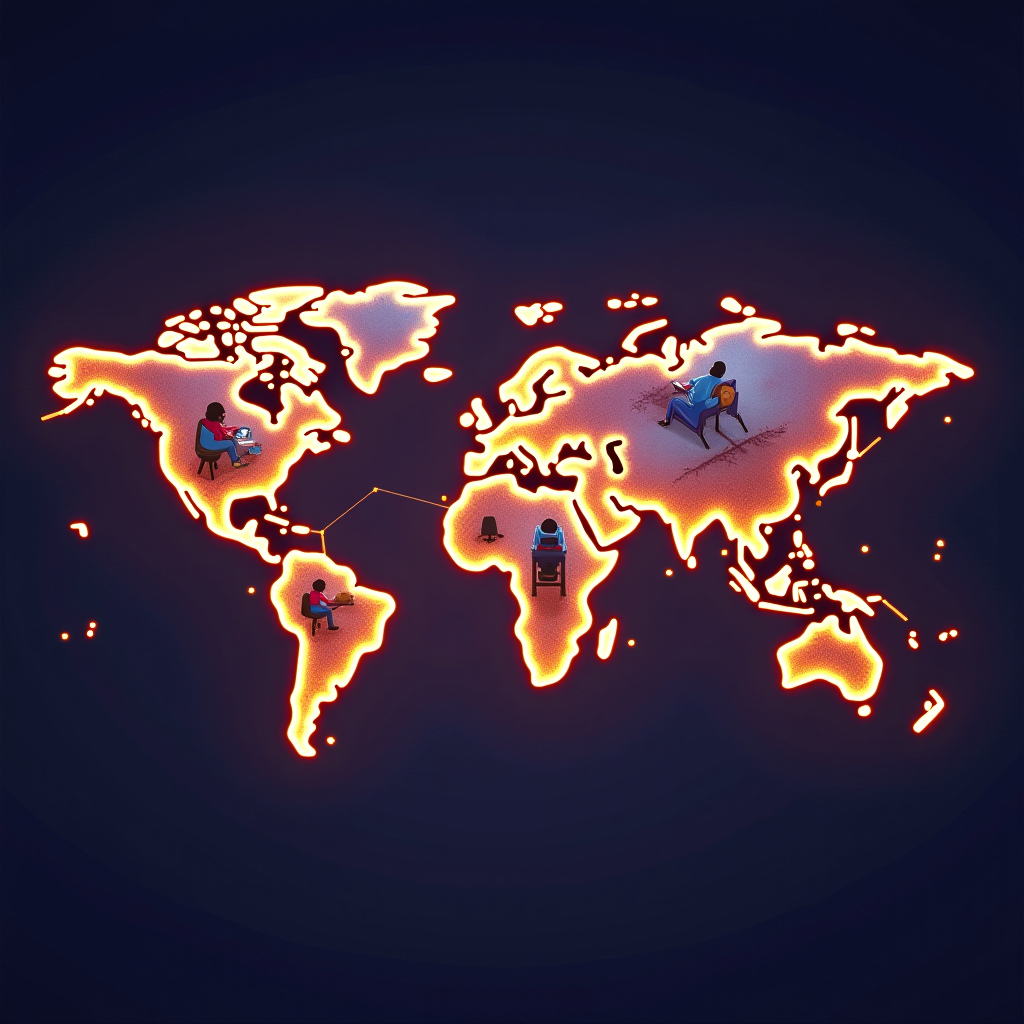
My guild has been there for me through divorce, job loss, and my mother's death. They've celebrated my victories and held me through my defeats. The fact that we met in a video game doesn't diminish the reality of our friendship—it just means we found each other in a different kind of space.
Breaking Down Barriers
One of the most powerful aspects of gaming friendships is their ability to transcend traditional social barriers. Age, race, nationality, socioeconomic status, physical ability—factors that often segregate people in physical spaces become irrelevant in gaming communities where skill, personality, and teamwork matter most.
Take the story of 67-year-old Margaret, who plays League of Legends with a team whose ages range from 19 to 45. "They call me Grandma Marge," she says with a laugh. "But in-game, I'm just their support main. Age doesn't matter when you're making plays together." Margaret's team has become her primary social circle since her husband passed away, providing daily interaction and genuine friendship.
Similarly, gaming communities have proven particularly valuable for people with social anxiety, physical disabilities, or those living in isolated areas. The ability to connect with others without the pressure of face-to-face interaction, combined with the shared focus of gameplay, creates an accessible entry point for social connection that might otherwise be difficult to achieve.
The Future of Gaming Communities
As gaming continues to grow and evolve, so too do the communities built around it. Virtual reality is creating even more immersive shared experiences, while streaming platforms like Twitch are building communities around watching and discussing games together. These technological advances are creating new opportunities for connection and friendship.
But at its core, the appeal of gaming communities remains unchanged: they provide spaces where people can be themselves, work toward common goals, and find acceptance and support. In an increasingly isolated world, these virtual communities are proving that meaningful human connection can happen anywhere—even in a fantasy world filled with dragons and demons.

Lessons from Virtual Worlds
The stories shared here offer valuable insights into the nature of friendship itself. They remind us that genuine connection isn't about physical proximity or traditional social structures—it's about showing up for each other, offering support without judgment, and celebrating each other's victories while providing comfort during defeats.
Gaming communities demonstrate that friendship can flourish in any environment where people come together with shared purpose and mutual respect. They show us that vulnerability and authenticity are possible even through screens and headsets. Most importantly, they prove that the bonds we form through shared experiences—whether in physical or virtual spaces—are equally real and equally valuable.
What Makes Gaming Friendships Special
Consistency: Regular gaming schedules create reliable touchpoints for connection and conversation.
Shared Experience: Overcoming challenges together builds trust and creates lasting memories.
Authentic Connection: Gaming allows people to connect based on personality rather than superficial factors.
Global Reach: Gaming communities transcend geographical boundaries, creating truly international friendships.
Emotional Safety: Many find it easier to be vulnerable and seek support in gaming communities than in physical spaces.
Inclusive Spaces: Well-moderated gaming communities can provide acceptance for people who feel marginalized elsewhere.
Conclusion: Redefining Community
As we move further into the digital age, it's time to retire outdated notions about online relationships being somehow less "real" than physical ones. The stories of Marcus, Jessica, Dmitri, Sarah and Mike, and Alex demonstrate that gaming communities provide genuine emotional support, lasting friendship, and a sense of belonging that many struggle to find in their physical communities.
These aren't just stories about video games—they're stories about human connection, resilience, and the universal need for community. They remind us that friendship can bloom anywhere people come together with open hearts and shared purpose. Whether that happens in a coffee shop, a workplace, or a virtual raid team doesn't change the fundamental truth: we all need connection, support, and people who see us for who we truly are.
The next time someone dismisses online friendships as "not real," remember these stories. Remember the raid team that flew across the world for a funeral. Remember the competitive squad that supported a teammate through mental health struggles. Remember the guild that became a safe haven for someone in transition. Remember the wedding party that met the day before the ceremony but had been friends for years.
These are real friendships, forged in virtual worlds but manifesting in real-world support, love, and commitment. They represent the future of community—one where connection transcends physical boundaries and friendship is defined not by proximity but by presence, not by tradition but by genuine care and support.
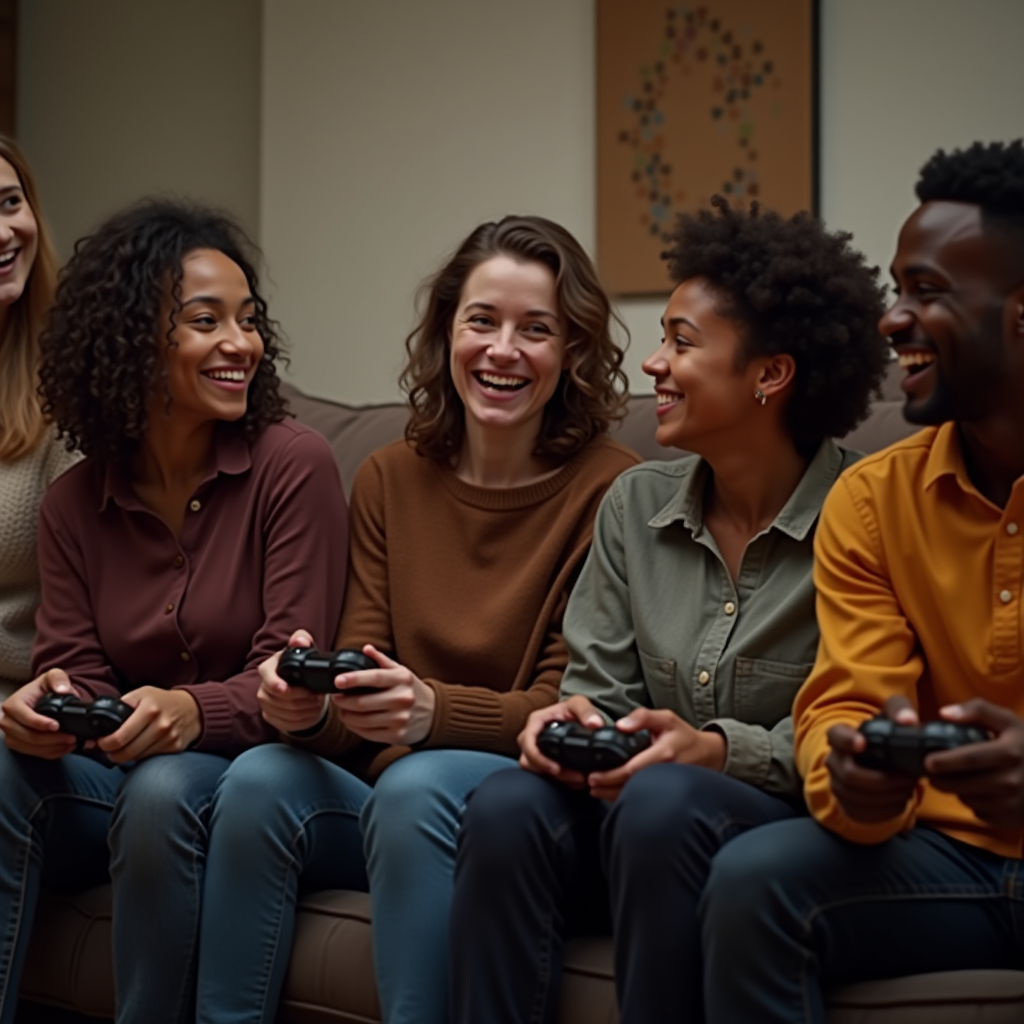
In the end, gaming communities are teaching us something profound about human nature: we're wired for connection, and we'll find it wherever we can. Sometimes, that means finding your closest friends in the most unexpected places—like a dungeon raid, a competitive match, or a virtual world filled with adventure. And that's not just okay—it's beautiful.