Twenty years ago, gaming guilds were simple affairs—groups of players coordinating raid schedules and loot distribution through basic forums and IRC channels. Today, these digital communities have evolved into sophisticated social ecosystems that rival real-world organizations in their complexity, offering everything from career mentorship to mental health support, and fostering friendships that transcend the virtual realm.
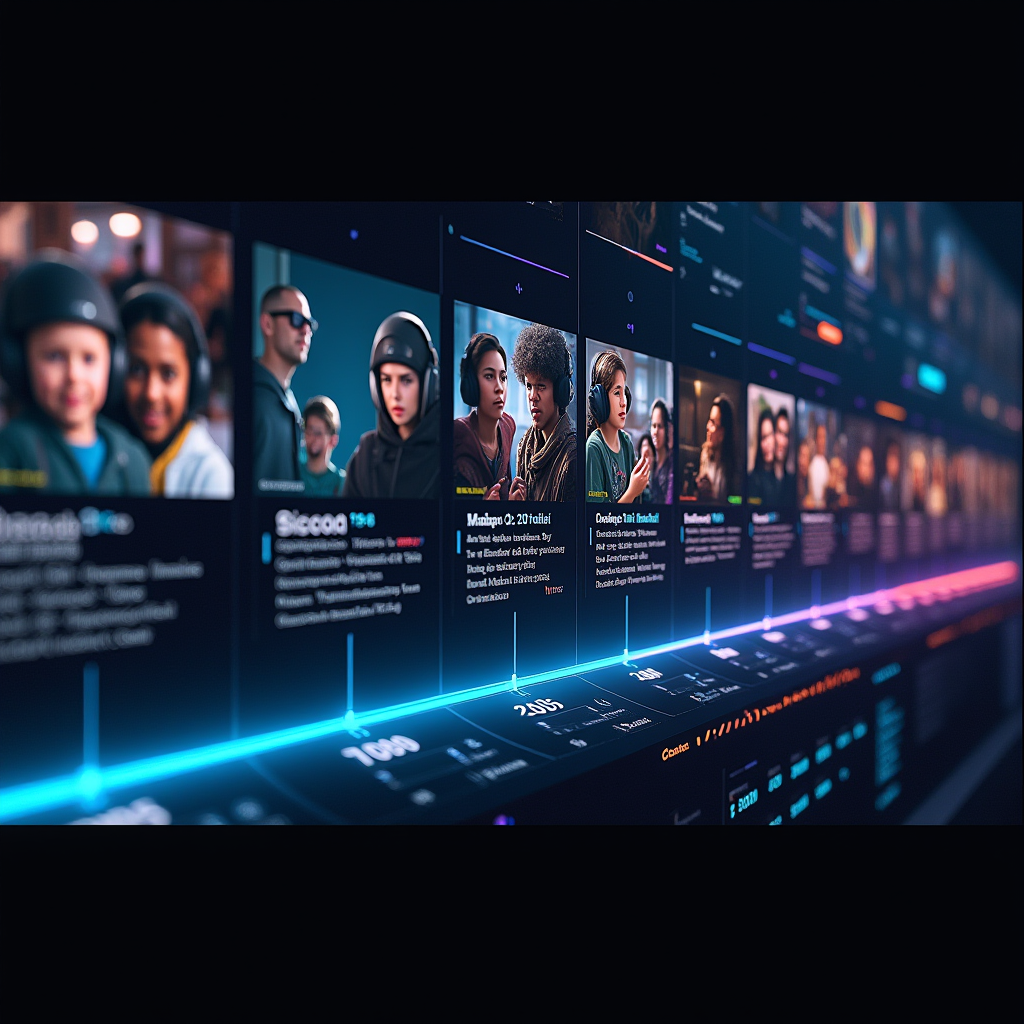
The transformation of gaming communities from simple coordination tools to comprehensive social platforms
The journey from tactical coordination to emotional sanctuary reflects broader shifts in how we understand online gaming communities. What began as purely functional groups focused on defeating digital bosses has blossomed into spaces where players find genuine human connection, support during difficult times, and a sense of belonging that many struggle to find elsewhere.
The Early Days: Coordination and Competition
In the mid-2000s, guilds in games like World of Warcraft and EverQuest II served primarily tactical purposes. Players joined to access endgame content that required coordinated groups of 10, 25, or even 40 people. Communication happened through voice chat programs like Ventrilo and TeamSpeak, with text coordination on guild forums.
Sarah Chen, who led a progression raiding guild in World of Warcraft from 2006 to 2010, recalls the era: "We were laser-focused on boss strategies and attendance. If someone missed a raid night without notice, it was a big deal. The social aspect existed, but it was secondary to performance. We were a team, not a community."
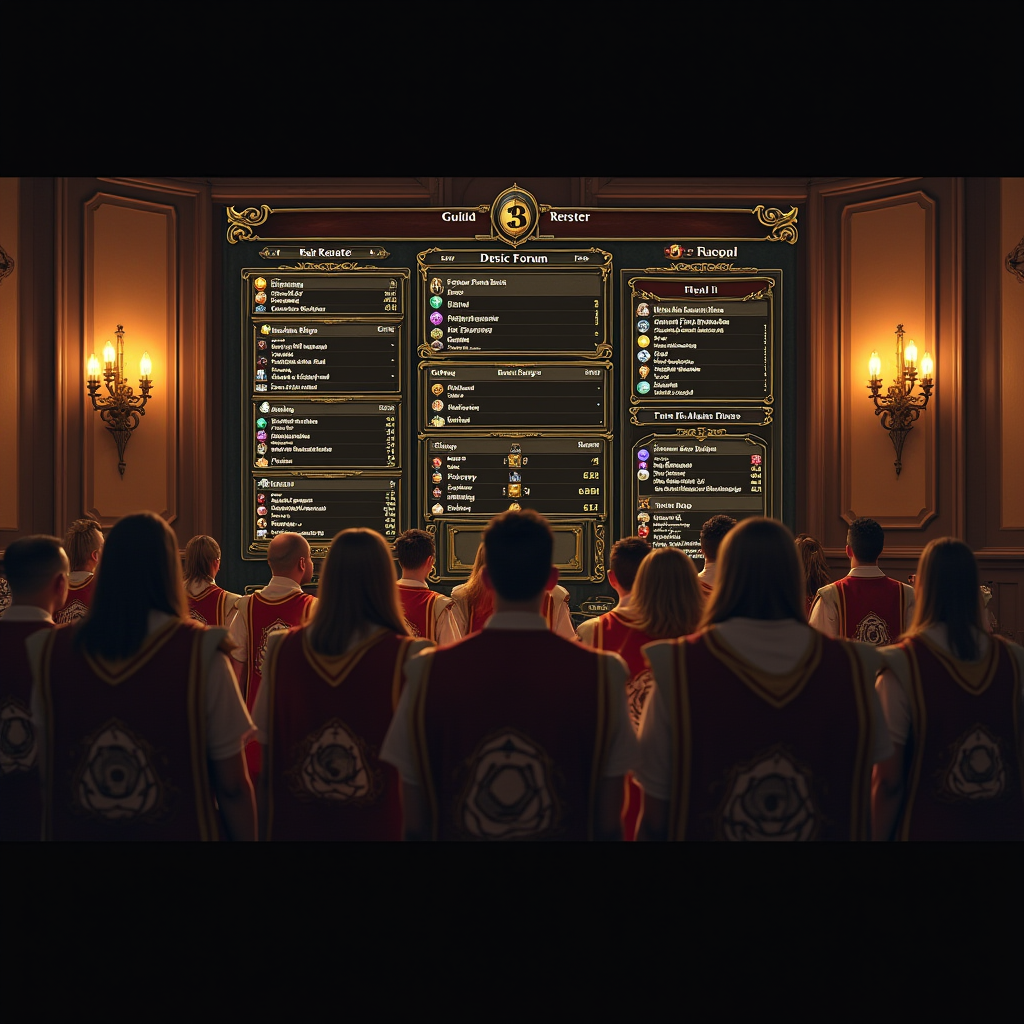
Early guild structures prioritized tactical coordination and performance metrics
This performance-driven culture created tight-knit groups, but also significant pressure. Guild drama often centered on loot distribution, attendance requirements, and progression speed. The social bonds that formed were real, but they existed within rigid hierarchies designed for efficiency rather than emotional support.
The Shift: From Performance to People
The transformation began gradually around 2010-2012, accelerated by several factors. Games started designing more flexible group content, reducing the pressure for massive coordinated raids. Social media platforms made it easier for guild members to connect outside the game. Most importantly, the player base matured—both in age and in understanding what they wanted from gaming communities.
We realized we weren't just playing a game together anymore. We were checking in on each other's lives, celebrating promotions, supporting each other through breakups and family losses. The game became the excuse to gather, not the reason.
Marcus Rodriguez has led the same Final Fantasy XIV guild, "Starlight Sanctuary," since 2013. What started as a casual raiding group has evolved into a community of 200+ members spanning three continents. "We have members who haven't logged into the game in months but still show up to our Discord every day," he explains. "They're not here for the game anymore—they're here for the people."
Modern guilds utilize comprehensive platforms that support diverse community needs beyond gaming
Case Study: The Crimson Covenant (Final Fantasy XIV)
The Crimson Covenant
Founded: 2015 | Members: 350+ active | Game: Final Fantasy XIV
The Crimson Covenant exemplifies the modern guild structure. Founded by a group of friends who met in-game, the guild has developed a sophisticated organizational system that goes far beyond raid scheduling.
Leadership Structure: The guild operates with a council of seven officers, each responsible for different aspects of community life. There's a Raid Coordinator, but also a Community Manager, a Mental Health Liaison, a New Member Mentor Coordinator, and a Social Events Organizer.
Support Systems: The guild maintains a private channel where members can discuss mental health struggles with trained peer supporters. They've helped members through depression, anxiety, grief, and major life transitions. Three members credit the guild with helping them through suicidal ideation.
Real-World Impact: Members have attended each other's weddings, helped with job searches, provided financial support during emergencies, and even relocated to be closer to guild friends. Two members met in the guild and are now married with a child.
Guild leader Jennifer "Jen" Park explains their philosophy: "We're not just a gaming guild—we're a support network that happens to play games together. When someone joins, we tell them upfront: you're joining a community first, a raid team second."
The Architecture of Modern Guild Communities
Today's successful guilds share common structural elements that facilitate deep social connection while maintaining the gaming focus that brought members together initially.
Key Components of Modern Guild Structure
- Tiered Membership: Multiple participation levels from hardcore raiders to social members who rarely play
- Diverse Communication Channels: Separate spaces for gaming coordination, casual chat, serious discussions, and support
- Mentorship Programs: Experienced members paired with newcomers for both game mechanics and community integration
- Regular Social Events: Non-gaming activities like movie nights, book clubs, or just voice chat hangouts
- Clear Behavioral Guidelines: Explicit codes of conduct emphasizing respect, inclusivity, and emotional safety
- Conflict Resolution Systems: Designated mediators and clear processes for addressing interpersonal issues

Modern guilds organize diverse activities that strengthen bonds beyond gaming
Case Study: Eternal Wanderers (Guild Wars 2)
Eternal Wanderers
Founded: 2012 | Members: 180+ active | Game: Guild Wars 2
Eternal Wanderers represents a different model—a guild built explicitly around inclusivity and mental health awareness from day one. Founder David Thompson started the guild after experiencing severe social anxiety and finding solace in gaming communities.
Unique Features: The guild requires all officers to complete mental health first aid training. They maintain partnerships with online therapy platforms and provide resources for members seeking professional help. Their Discord includes a "quiet room" channel where members can indicate they're struggling without having to explain why.
Mentorship Focus: Every new member is assigned a "guild buddy" for their first month. This isn't just about learning game mechanics—it's about helping newcomers feel welcomed and connected. The guild tracks integration success and has a 90% retention rate for members who stay past the first month.
Measured Impact: The guild conducts annual anonymous surveys. In their most recent survey, 78% of members reported that the guild had positively impacted their mental health, and 65% said they'd made at least one "real friend" through the community.
Thompson reflects on the guild's evolution: "We've become something I never imagined when I started this. We're not replacing therapy or professional help, but we're providing something equally important—a community where people feel safe being vulnerable, where they know someone will notice if they're struggling."
The Role of Game Design in Community Evolution
Game developers have increasingly recognized and supported the social evolution of guilds. Modern MMORPGs and online games include features specifically designed to facilitate community building beyond tactical gameplay.
Final Fantasy XIV's "Free Company" system includes housing that serves as a physical gathering space, complete with customizable furniture and decorations. Guild Wars 2's guild halls provide similar functionality. These spaces become virtual clubhouses where members hang out even when not actively playing content.
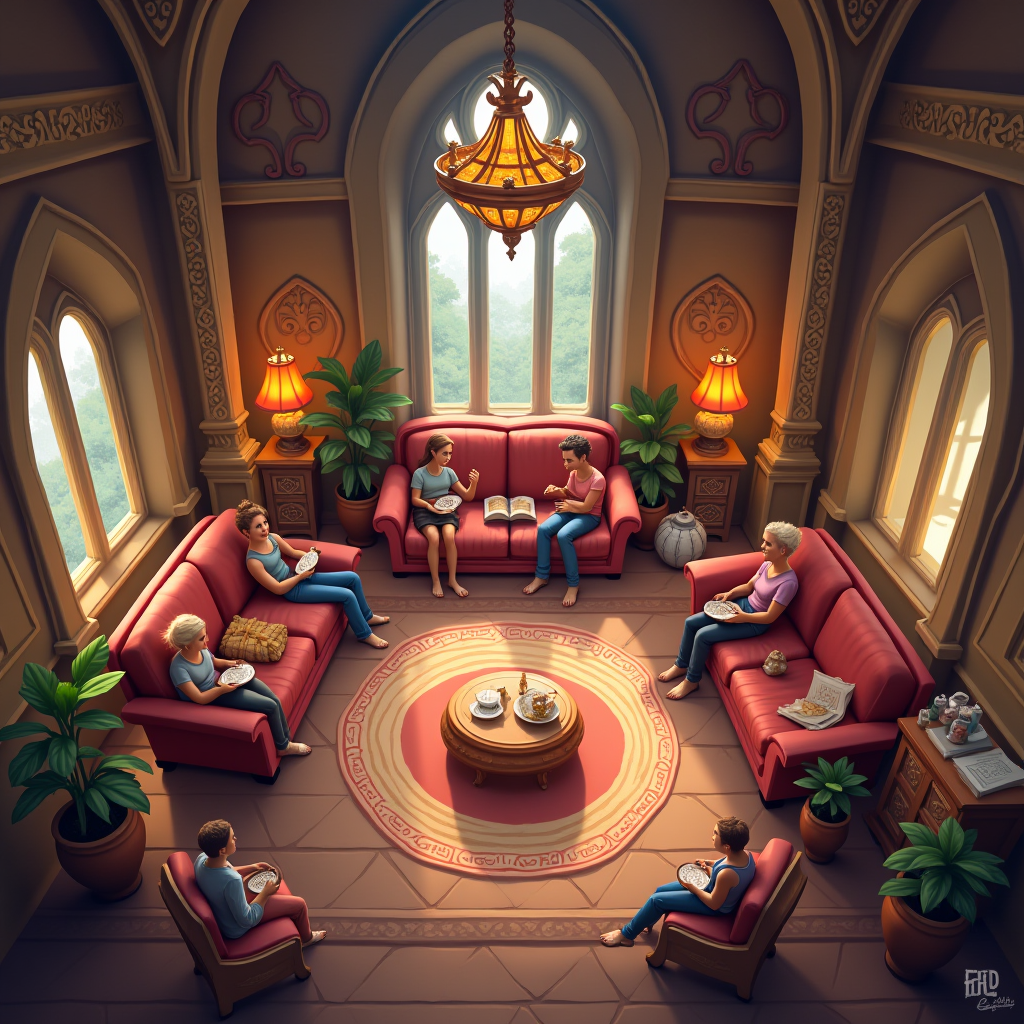
In-game guild spaces provide virtual gathering places for community bonding
Newer games like Destiny 2 and The Elder Scrolls Online have implemented clan systems with built-in communication tools, shared progression goals, and rewards that encourage cooperative play without the pressure of hardcore raiding. This design philosophy acknowledges that players want community connection without necessarily committing to rigid schedules.
Challenges and Growing Pains
The evolution from tactical teams to emotional support networks hasn't been without challenges. Guild leaders increasingly find themselves managing complex interpersonal dynamics, mediating conflicts, and sometimes dealing with serious mental health crises they're not trained to handle.
Rachel Kim, who leads a 400-member guild in The Elder Scrolls Online, describes the burden: "I've had members reach out in crisis at 3 AM. I've mediated relationship breakups between guild members. I've helped people find therapists and supported them through family deaths. I signed up to organize dungeon runs, not to be an unpaid social worker."
The emotional labor of running a modern guild is real and often underestimated. We need better resources and support for guild leaders who are essentially managing small communities with all the complexity that entails.
Dr. Emily Foster, who studies online gaming communities at the University of Washington, emphasizes the need for better support structures: "Guild leaders are performing significant emotional labor without training or compensation. We need to develop resources specifically for them—conflict resolution training, mental health awareness education, and clear guidelines about when and how to refer members to professional help."
The Future: Hybrid Communities and Expanded Roles
Looking ahead, gaming guilds continue to evolve in fascinating directions. Many are becoming "hybrid communities" that exist across multiple games and platforms. Members might play Final Fantasy XIV together on weekends, hop into Valorant for quick matches during the week, and gather for non-gaming activities in between.

Modern guilds transcend single games, creating multi-platform communities
Some guilds are formalizing their support structures. The "Phoenix Rising" guild in World of Warcraft has partnered with licensed therapists to offer monthly mental health workshops for members. The "Starlight Collective" across multiple games has created a formal mentorship program that pairs experienced professionals with younger members seeking career advice.
Case Study: The Nexus Network (Multi-Game)
The Nexus Network
Founded: 2018 | Members: 500+ across platforms | Games: Multiple titles
The Nexus Network represents the cutting edge of guild evolution—a community that exists independently of any single game. Members play together across Final Fantasy XIV, Guild Wars 2, Destiny 2, and various other titles, but the community identity transcends any particular game.
Organizational Innovation: The Network operates with a constitution and elected leadership. They have formal committees for different aspects of community life: Gaming Coordination, Social Events, Member Support, and Community Development. Leadership positions rotate annually through elections.
Professional Development: The Network has become known for its career mentorship program. Members in various industries offer resume reviews, interview practice, and networking connections. They've helped members land jobs at gaming companies, tech firms, and other industries.
Real-World Integration: The Network organizes annual meetups in different cities, with attendance growing from 30 members in 2019 to over 150 in 2024. They've also created a scholarship fund that has provided $25,000 in educational support to members over the past three years.
Network founder Alex Chen reflects on their success: "We've proven that gaming communities can be about so much more than the games themselves. We're a network of friends who support each other's real lives while enjoying virtual adventures together. The games are the glue, but the relationships are the substance."
The Broader Impact: Gaming Communities as Social Infrastructure
The evolution of gaming guilds reflects a broader truth about online communities in the 21st century. As traditional social structures—churches, civic organizations, neighborhood communities—decline in many areas, digital communities are filling crucial social needs.
For many people, especially those who are geographically isolated, socially anxious, or part of marginalized groups, gaming communities provide something essential: a place to belong. The anonymity and distance of online interaction can actually facilitate deeper connection for people who struggle with face-to-face socialization.
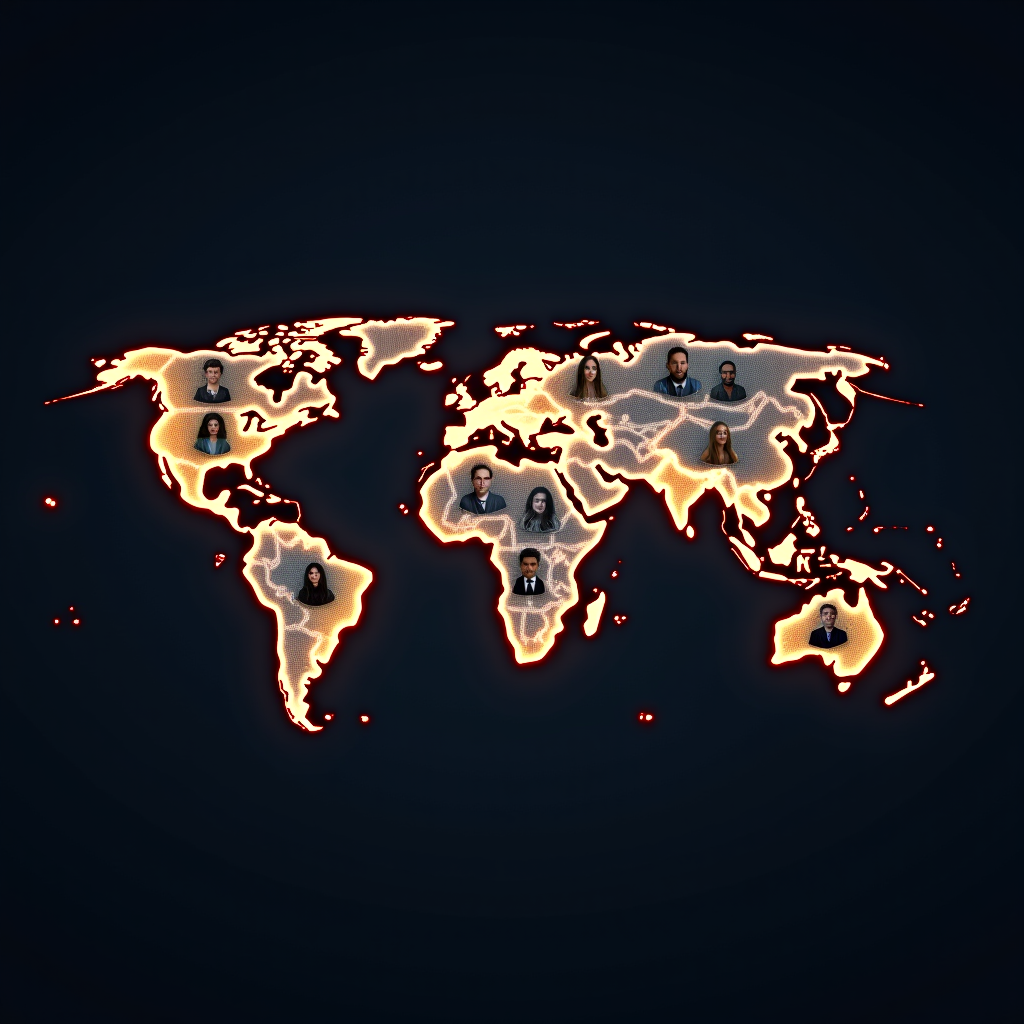
Gaming guilds create global communities that transcend geographical boundaries
James Park, a 34-year-old software engineer who credits his guild with helping him through severe depression, explains: "When I was at my lowest, I couldn't face my real-world friends. I felt like I was burdening them. But in my guild, I could just exist. I could log in, do some casual content, chat about nothing important, and slowly start to feel human again. They didn't pressure me to explain or get better—they just let me be there."
Lessons for Community Building
The success of modern gaming guilds offers valuable lessons for anyone building online communities, whether gaming-related or not.
Key Principles from Successful Gaming Communities
- Shared Purpose with Flexibility: Have a clear core activity but allow for diverse participation levels and interests
- Intentional Inclusivity: Actively work to create welcoming spaces rather than assuming they'll naturally emerge
- Multiple Connection Points: Provide various ways for members to engage based on their comfort levels and interests
- Emotional Safety: Establish clear behavioral guidelines and enforce them consistently
- Distributed Leadership: Avoid single points of failure by developing multiple leaders with different responsibilities
- Regular Rituals: Create predictable events and traditions that give members reasons to return
- Celebrate Milestones: Acknowledge both in-game achievements and real-life events
- Facilitate Deeper Connections: Create opportunities for smaller groups and one-on-one interactions within the larger community
Conclusion: The Human Need for Connection
The transformation of gaming guilds from tactical raid groups into comprehensive support networks reveals something fundamental about human nature: we crave connection, belonging, and community. When given the tools and space to build these connections, people will create remarkably sophisticated social structures.
Gaming communities have evolved because they meet real human needs. They provide friendship for the lonely, support for the struggling, mentorship for the uncertain, and celebration for the successful. They offer a sense of belonging in an increasingly fragmented world.
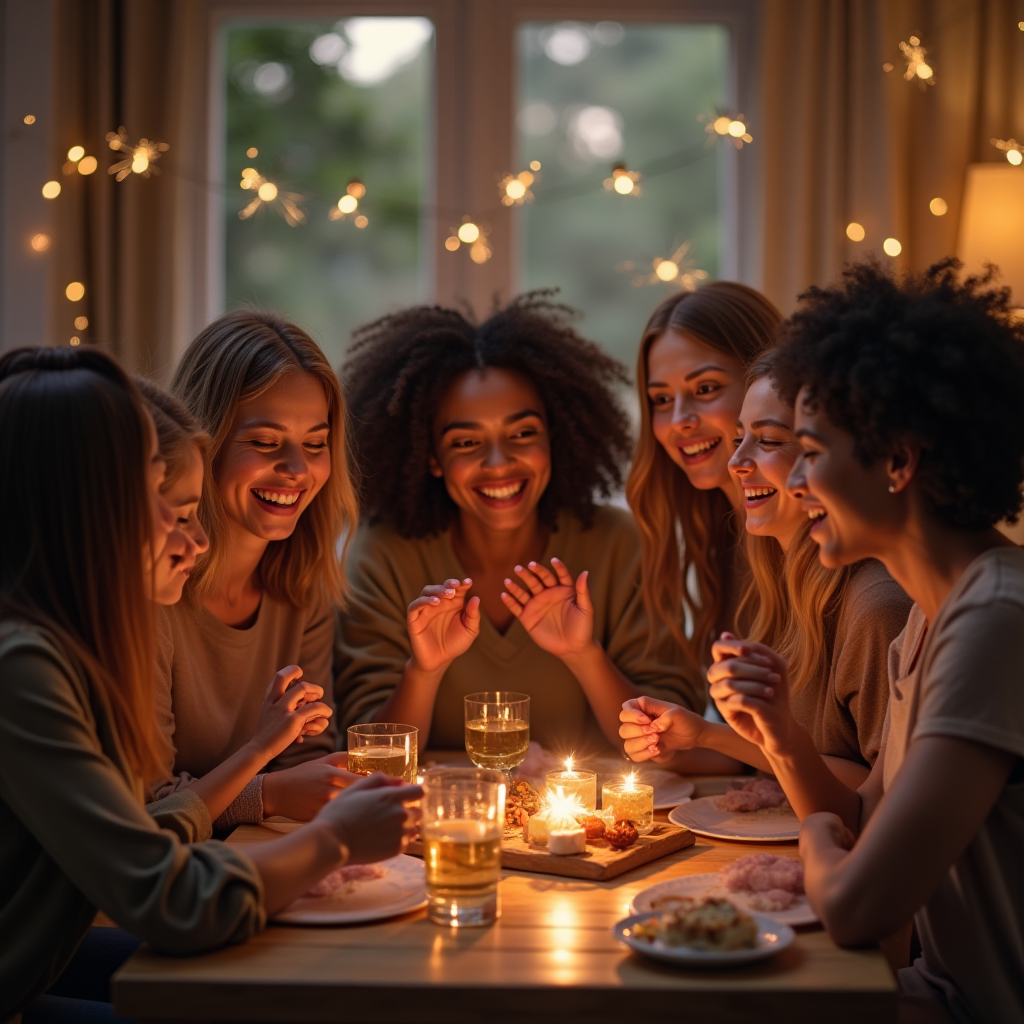
Modern gaming guilds foster genuine friendships and emotional bonds that transcend the virtual world
As we look to the future, gaming guilds will likely continue to evolve, becoming even more sophisticated in their social structures and support systems. They may increasingly partner with mental health professionals, develop formal educational programs, and create even stronger bridges between virtual and real-world communities.
What started as groups coordinating to defeat digital dragons has become something far more significant: communities where people find friendship, support, and belonging. In doing so, gaming guilds have demonstrated that online communities can be just as real, meaningful, and impactful as any traditional social structure.
We came for the games, but we stayed for each other. That's the real evolution—realizing that the people matter more than the pixels.
The evolution of gaming guilds over the past two decades tells a hopeful story about human connection in the digital age. It shows that when we create spaces for people to gather around shared interests, they'll naturally build the social structures they need. The games brought us together, but it's the relationships—the mentorship, support, and genuine friendship—that keep us coming back.
In an era of increasing social isolation and loneliness, gaming communities offer a model for how digital spaces can foster real human connection. They remind us that community isn't about physical proximity—it's about shared experience, mutual support, and the simple but profound act of showing up for each other, whether that's for a raid night or a difficult conversation at 2 AM.
The future of gaming guilds is bright, not because of technological advancement or game design innovation, but because they fulfill a timeless human need: the need to belong, to be seen, to be supported, and to support others in return. That's a quest that never ends, and it's one worth undertaking together.